
RahrBSG Blog
2026 North American Barley Crop Report
Posted October 14, 2026 in Brewing, Distilling
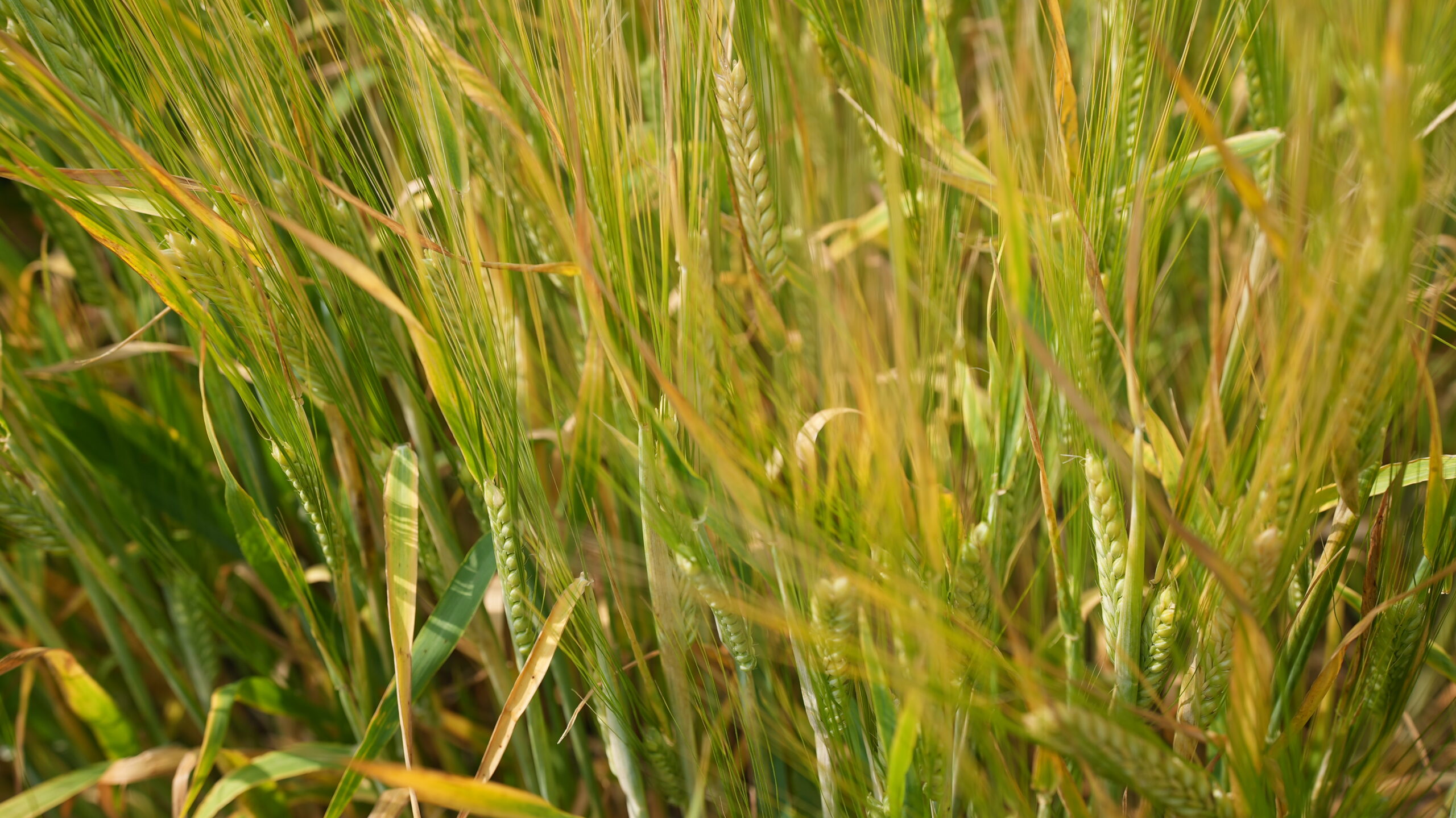
The barley crop is large. The quality story is more complicated.
October 2026
For 180 years, Rahr has worked alongside the people who grow barley and the brewers who depend on it.
Over that time, we have learned that a crop is rarely defined by a single number.
Acres matter. Yield matters. Total production matters. But ultimately what matters most is much simpler: How much of the crop has the quality and characteristics to make exceptional malt?
That is the story of the 2026 barley crop.
Across North America, barley is plentiful. Canadian production is expected to reach approximately 9.7 million metric tons, while the U.S. crop is showing good overall quality.
But beneath the headline numbers is a more nuanced crop. Late-season rain across parts of Western Canada and the northern United States interrupted an otherwise promising growing season. In some areas, barley came off early and in very good condition. In others, prolonged moisture increased the risk of sprouting, weathering, color loss and lower test weight.
The result is not a shortage of barley. It is a more regional and more selective supply of malting barley. And in a year like this, selection matters.
Canada: One Crop, Very Different Harvests
Western Canada remains one of the most important barley-growing regions in the world, and Alberta and Saskatchewan together account for approximately 93% of Canadian barley production. The 2026 harvest is a reminder that even neighboring growing regions can produce very different outcomes.
Saskatchewan
Saskatchewan has seen some of the clearest quality pressure this harvest.
At the time of reporting, approximately 18% of Saskatchewan barley was grading malt, compared with a 10-year average of 31%.
That difference deserves context. It does not mean Saskatchewan lacks good barley. It means the portion of the crop immediately meeting malting specifications is smaller than typical.
Widespread rain slowed harvest and left later fields exposed longer than ideal. As that barley comes to market, germination, sprout damage, test weight, color, and overall kernel condition will determine how much ultimately enters the malting supply.
There will be good barley from Saskatchewan this year. Finding it, qualifying it, and understanding how it will perform will matter.
Manitoba
Manitoba tells a similar story, but timing has been particularly important.
Earlier-harvested cereals generally came off in good condition. Barley remaining in the field through later rains experienced considerably more pressure.
In southwestern Manitoba, recent reports point to sprouting, weathering, color loss, and lower test weights, with a meaningful portion of later-harvested barley moving into feed channels.
That has implications beyond Manitoba. When quality becomes constrained in one sourcing area, demand for sound malting barley reaches into neighboring regions. That can increase competition for high-quality lots elsewhere across the Prairies.
Alberta
In Alberta, conditions have varied considerably between southern, central and northern growing areas, as well as between fields harvested at different points in the season.
Earlier-harvested barley generally experienced less late-season weather exposure. Wetter and later-maturing areas require closer attention.
This is where broad crop statistics become less useful and the fundamentals of barley selection become more critical.
The field matters. The variety matters. Harvest timing matters. And ultimately, the individual lot matters.
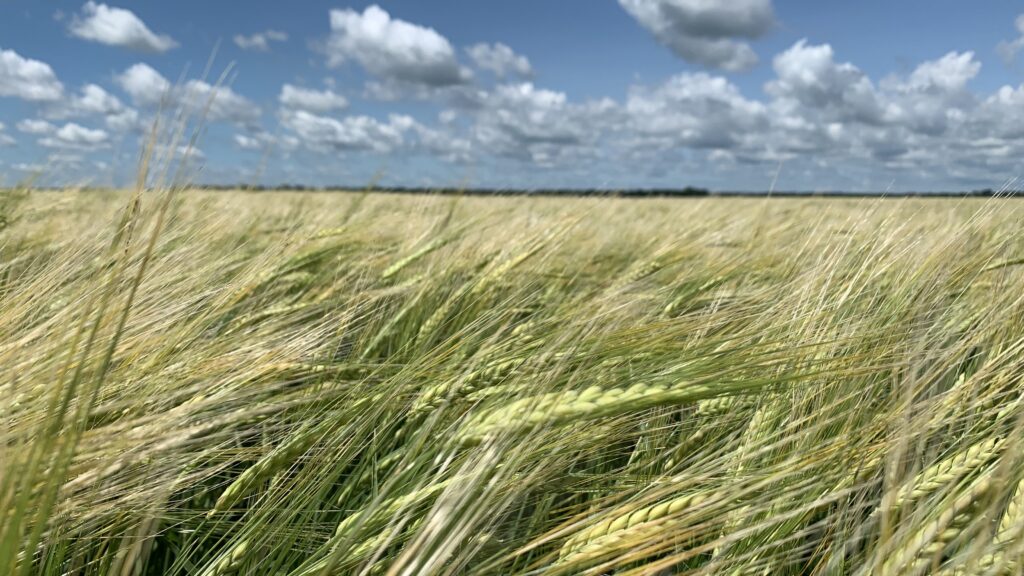
The United States: A Stronger Overall Quality Picture
Across the U.S. Northern Plains, the 2026 crop is showing good overall quality.
Regional summaries indicate approximately 75–90% plump kernels and protein ranging from roughly 11.5–13%, with expected, although quality differs by growing area and variety.
There are exceptions. For example, heavy rain near harvest increased sprout concerns in portions of northern North Dakota, particularly for later-harvested fields. Those lots will require careful evaluation of germination and weather damage.
But overall, the U.S. crop provides an important source of quality barley in a year when Canadian conditions are more variable.
For maltsters, that geographic diversity matters.
Why a Large Barley Crop Can Still Mean Tighter Malting Supply
In 2026, weather-related downgrades are sending additional barley into feed channels while reducing the number of lots available for malting. That can create two market dynamics at the same time: more feed barley and greater competition for the best malting barley.
This is why we pay close attention not only to how much barley was grown, but to where it was grown, how it finished, when it was harvested, and how it performs through selection and testing.
Those details ultimately determine the malt supply.
The Global Picture Provides Options, Not a Simple Substitute
North America does not operate in isolation.
Australia is forecasting a substantial 2026–27 barley crop of approximately 16.4 million metric tons, providing additional supply to the global market. That matters. But barley is not interchangeable simply because it exists.
Variety, quality, logistics, freight, timing, and malting characteristics all influence whether grain from another origin is an effective substitute.
A large Australian crop can provide a valuable global backstop and influence market pricing. It does not eliminate the importance of securing the right barley from the right growing regions for North American malt production.
What We Are Watching
- Final selection across the Canadian Prairies. As more samples are evaluated, we will have a clearer picture of the true pool of barley meeting malting specifications.
- Performance of later-harvested barley. Germination, sprout damage, moisture, test weight and kernel condition will be particularly important in weather-affected areas.
- Competition for quality. Regional quality losses can cause buyers to reach farther for sound barley, changing traditional sourcing patterns.
- The Australian harvest. Australia’s crop is large, but final quality will determine how much ultimately competes in global malting channels.
- Water heading into 2027. Idaho experienced significant water pressure in 2026. Winter snowpack and reservoir recharge will help determine planting conditions and grower decisions next spring.
From Barley to Malt
For 180 years, our job has been to understand the crop in front of us and make the decisions necessary to produce malt brewers can depend on.
That begins long before barley reaches a malthouse.
It begins in the relationships we have built with growers and growing regions across North America. It continues through variety selection, contracting, agronomy, harvest assessment, barley selection, and rigorous testing. And it carries through the hands of experienced maltsters who understand how different barley behaves once it enters the malting process.
No two crop years are exactly alike.
Some make the job easier. Others ask more of the experience behind it.
2026 will be a year when experience matters.
There is good barley across North America. There is also greater variability than headline production numbers suggest.
Our work is to know the difference, and to turn the right barley into malt worthy of the brewers who trust us with their beer.
We’re Here To Help
Please contact your sales representative at https://www.rahrbsg.com/contact if you’d like to discuss your malt needs for 2027 and beyond.